.png&w=828&q=75)


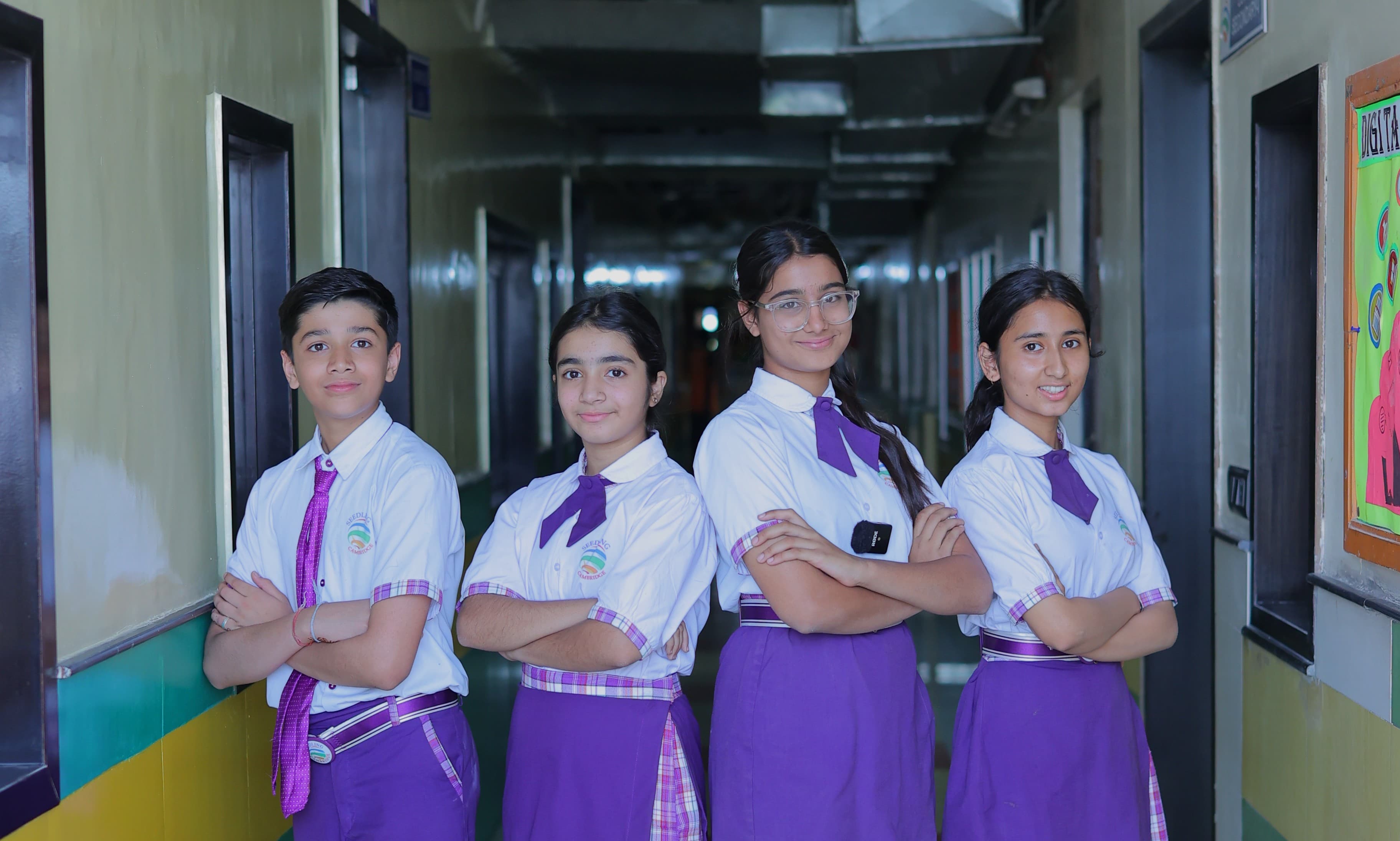
Leadership at Seedling International Academy & SMIA, Jaipur
Our Torchbearers
The Leadership
Behind the Legacy
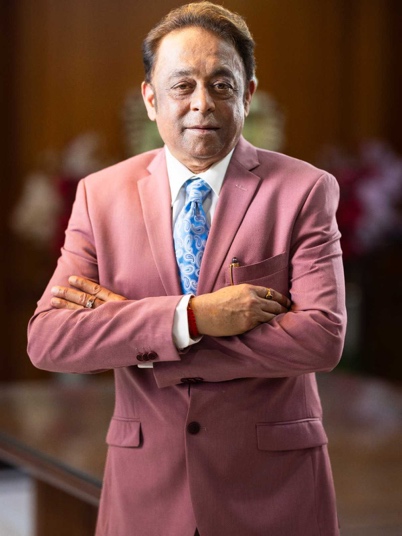
Dr. Sandeep Bakshi
CEO & Director
Seedling Group of Schools
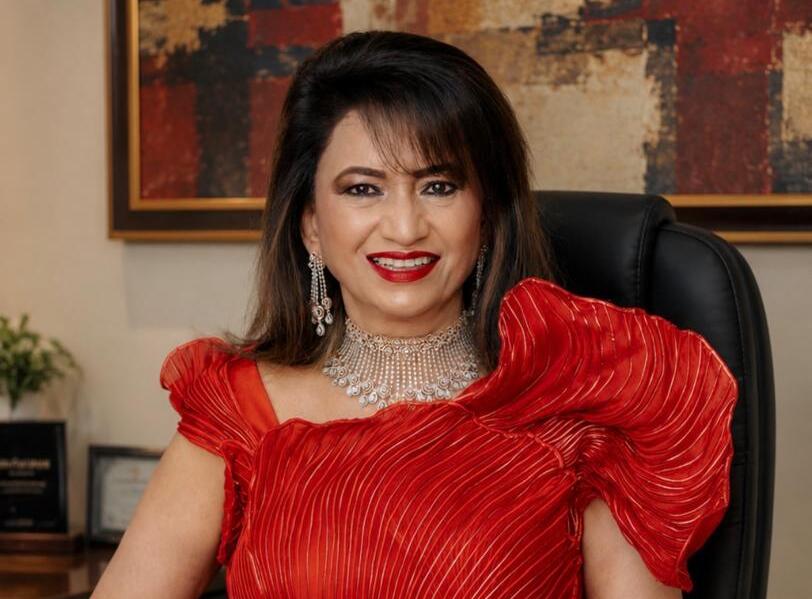
Dr. Preeti Bakshi
Executive Director
Seedling Group of Schools

Ms. Akansha Bakshi
Joint Director
Seedling Group of Schools
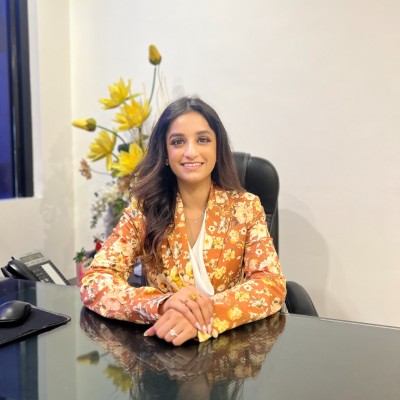
Ms. Aishwarya Bakshi
Joint Director
Seedling Group of Schools
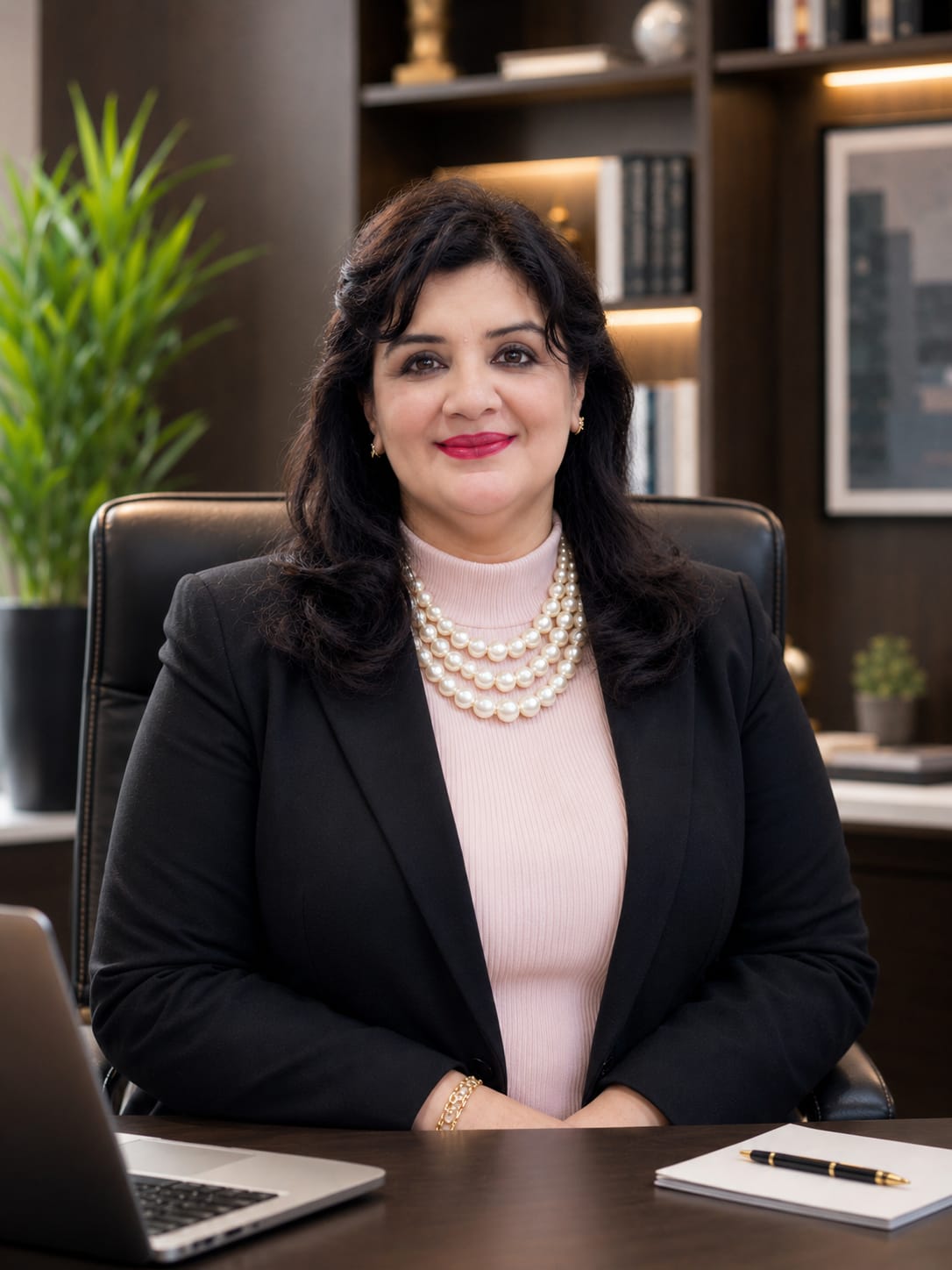
Ms. Shruti Kukar
Principal & Cambridge Exam Officer
Seedling International Academy
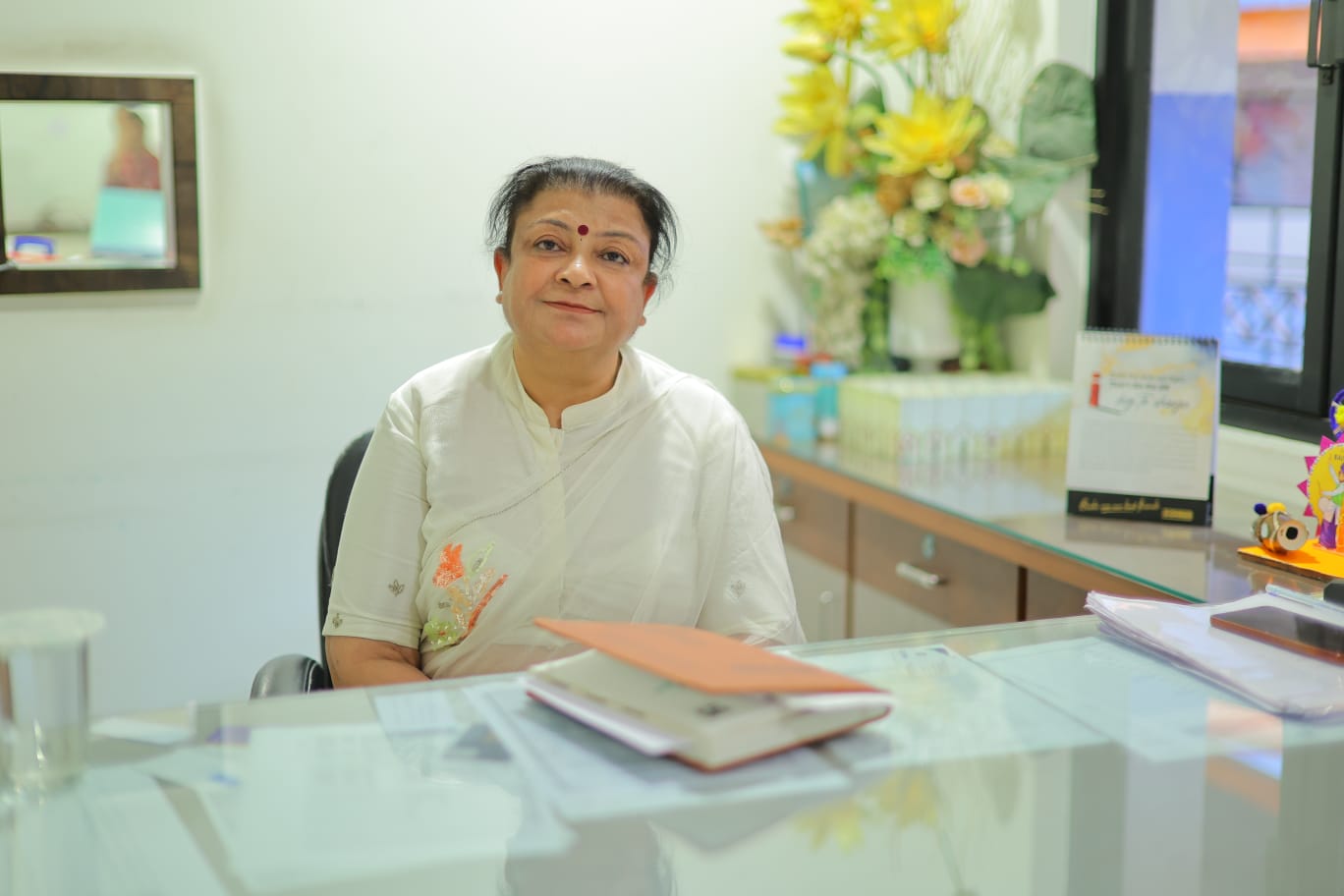
Ms. Gurpreet Puri
Vice Principal & Cambridge Coordinator
Seedling Modern International Academy
Dr. Sandeep Bakshi
CEO & Director's Message
CEO & Director's Message
"Life Ready
& Life Worthy"
Welcome to the Seedling Group of Schools — a vibrant educational family where learning is inspired by vision, nurtured with care, and guided by the belief that every child carries within them the potential to create extraordinary possibilities.
At Seedling International Academy, education is not confined to classrooms, textbooks, or examinations alone. We believe true education shapes character, ignites curiosity, strengthens confidence, and prepares young minds to lead with intelligence, empathy, courage, and purpose in an ever-changing world.
Our schools have always stood for progressive learning blended with strong human values. We are committed to creating environments where children feel safe to question, inspired to explore, encouraged to dream, and empowered to discover their individual strengths.
The world our children are growing into demands far more than information. It requires emotional resilience, adaptability, creativity, collaboration, and ethical leadership. At Seedling International Academy, we continuously evolve our educational practices to ensure our learners are future-ready while remaining deeply rooted in compassion, integrity, and social responsibility.
Equally important to us is the partnership we share with parents. Education becomes most impactful when schools and families walk together with trust, shared values, and a common commitment toward the holistic growth of every child.
As you explore our website, I warmly invite you to experience the spirit of Seedling International Academy — a spirit of excellence, innovation, inclusivity, and lifelong learning.
Together, let us inspire children not merely to succeed in the world, but to contribute meaningfully to it and shape a brighter tomorrow.
CEO & Director, Seedling Group of Schools
Dr. Preeti Bakshi
Executive Director's Message
A Message from the Executive Director
Beyond Achievement:
Educating the Whole Child
Education has never been only about what a child knows. At its finest, education is about who a child becomes.
At Seedling International Academy and Seedling Modern International Academy, our Cambridge education is founded on this deeper understanding of learning. We believe that academic achievement is important—but it is only one part of a much larger journey.
A truly meaningful education should help a young person discover their strengths, develop their voice, understand their responsibilities and build the confidence to navigate an increasingly complex world.
This is why we believe in an education that goes beyond the pursuit of marks and outcomes.
The Cambridge approach gives our learners the opportunity to question, investigate, analyse, communicate and make connections. But beyond these academic competencies lies something even more important: the development of curiosity, independence, reflection, resilience and a genuine love for learning.
We want our students to become learners who do not simply ask, “What is the right answer?” but also, “Why is this so? What else could be possible? What can I do with what I have learned?”
That shift—from receiving knowledge to engaging with it—is at the heart of our educational philosophy.
At Seedling International Academy and Seedling Modern International Academy, we see the learner not as a passive recipient of information, but as an active participant in their own learning journey. Our Cambridge environment encourages students to take ownership, to think independently, to collaborate meaningfully and to develop the confidence to express ideas with clarity and conviction.
Yet, we believe that a child's education cannot end with intellectual development.
The world needs young people who can think deeply and feel deeply; who can achieve and empathise; who can lead and listen; who can be ambitious and remain grounded in values.
That is why character is central to our understanding of education.
We want our learners to develop the courage to face setbacks, the humility to learn from others, the integrity to make responsible choices and the resilience to keep moving forward when the path is uncertain.
For us, the purpose of a Cambridge education is therefore not simply to create successful students.
It is to nurture capable, confident and compassionate human beings.
Young people who know themselves.
Young people who value others.
Young people who think for themselves.
And young people who understand that with knowledge comes responsibility.
We may not be able to predict the world our children will inherit. But we can give them something more enduring than predictions: the capacity to learn, adapt, question, create and contribute.
That, to us, is education beyond achievement.
And that is the promise we seek to make to every learner who walks through the doors of Seedling International Academy and Seedling Modern International Academy.
Executive Director, Seedling Group of Schools
Ms. Akansha Bakshi
Joint Director, Seedling Group of Schools
A Message from Ms. Akansha, Joint Director, Seedling Group of Schools
The Cambridge Learner:
Curious Minds, Confident Futures
Education, at its most meaningful, is not about placing information into a child's mind; it is about awakening the desire to learn, question, explore and discover.
At Seedling International Academy and Seedling Modern International Academy, we believe that every learner enters the classroom with an innate sense of curiosity. Our responsibility as educators is to protect that curiosity, nurture it and transform it into the confidence to think independently and engage meaningfully with the world.
The Cambridge approach beautifully complements this vision. It encourages learners to move beyond simply remembering what they have been taught and towards understanding why it matters, how it works and what possibilities it creates.
From Questions to Understanding
A curious learner does not accept knowledge passively.
They ask Why?
They ask How?
They ask What if?
And sometimes, most importantly, they ask Could there be another way?
These questions are the beginnings of deeper learning.
We want our classrooms to be spaces where questions are valued as much as answers. Through inquiry, discussion, investigation and reflection, our learners are encouraged to develop their own perspectives while learning to appreciate those of others.
This is where education becomes transformative—not when a child can reproduce an answer, but when the child can think, reason, connect and create.
Confidence to Think Independently
True confidence in a learner is not the confidence of always being right. It is the confidence to attempt, question, make mistakes, learn from them and try again.
Our Cambridge learners are encouraged to become increasingly independent in the way they approach their learning. They learn to take responsibility for their choices, evaluate their progress and recognise that challenges are not barriers to success but opportunities for growth.
We want every child to experience the quiet satisfaction of saying:
“I worked this out.”
“I found another way.”
“I understand it now.”
These moments build something far more valuable than marks—they build self-belief.
Learning That Extends Beyond the Textbook
A truly educated child is not one who merely knows a great deal, but one who knows how to use knowledge wisely.
That is why we encourage our learners to make connections across subjects, relate learning to real-world situations and look at problems from multiple perspectives. Academic knowledge becomes richer when it is connected to experience, imagination and purpose.
Whether a learner is investigating a scientific question, interpreting a literary text, analysing a mathematical problem, exploring a global issue or presenting an original idea, we want them to understand that learning is not a collection of separate subjects.
Learning is a way of seeing the world.
Preparing Learners for an Uncertain Future
The world our children will inherit is changing rapidly. Many of the careers, technologies and challenges they will encounter are still evolving.
Therefore, preparing children for the future cannot simply mean preparing them for a particular profession. It means giving them the intellectual agility, adaptability and confidence to continue learning throughout their lives.
We want our learners to be comfortable with change, open to new ideas and willing to challenge assumptions. We want them to collaborate without losing their individuality, to communicate with clarity and to approach unfamiliar problems with curiosity rather than apprehension.
Most importantly, we want them to remain lifelong learners.
The Learner We Aspire to Nurture
Our vision for a Cambridge learner goes beyond academic achievement.
We aspire to nurture young people who are:
Curious enough to question.
Confident enough to explore.
Reflective enough to learn from experience.
Resilient enough to persevere.
Open-minded enough to embrace different perspectives.
And courageous enough to imagine something better.
Because education should not merely prepare a child to succeed in an examination. It should prepare that child to think independently, participate responsibly and contribute meaningfully.
When curiosity is nurtured, learning becomes joyful.
When independent thinking is encouraged, confidence follows.
And when confidence is combined with purpose, young people begin to recognise the possibilities within themselves.
That is the Cambridge learner we aspire to develop at Seedling—a learner who does not simply ask for the answer, but has the courage to seek it, question it and, perhaps one day, create a better one.
Joint Director, Seedling Group of Schools
Ms. Aishwarya Bakshi
Joint Director, Seedling Group of Schools
A Message from the Joint Director, Seedling Group of Schools
Learning Beyond the Classroom:
From Knowledge to Real-World Impact
Education finds its true meaning when knowledge moves beyond the pages of a textbook and becomes part of how a young person thinks, responds, creates and contributes.
At Seedling International Academy and Seedling Modern International Academy, we believe that the purpose of education is not simply to prepare learners for examinations, but to prepare them for life. The Cambridge approach gives us a powerful framework to make this philosophy a lived reality—connecting academic understanding with curiosity, experience, collaboration and real-world application.
When Learning Becomes Experience
A concept becomes truly meaningful when a learner can see it in the world around them.
A mathematical principle encountered in a classroom can become a tool for understanding everyday decisions. A scientific concept can lead to an investigation of the environment. A historical event can invite reflection on the choices societies make. A literary text can open a conversation about human emotions, relationships and perspectives.
This is the kind of learning we aspire to create—learning that does not stop with “I know this,” but progresses to:
“I understand this.”
“I can apply this.”
“I can connect this to the world around me.”
“And perhaps, I can use it to make a difference.”
The Classroom as a Launchpad
The classroom should be a beginning, not a boundary.
Our learners need opportunities to investigate, experiment, collaborate, present ideas, solve authentic problems and learn from experiences. When students work together on a project, conduct an investigation, design a solution or engage with a community issue, they begin to understand that knowledge is powerful because of what we do with it.
Such experiences also cultivate skills that cannot be developed through memorisation alone—communication, collaboration, creativity, critical thinking, decision-making and adaptability.
These are not merely “future skills”. They are life skills.
Connecting Disciplines, Connecting Ideas
The challenges of the real world rarely arrive neatly divided into subjects.
A problem may require scientific understanding, mathematical reasoning, technological awareness, communication skills and an appreciation of human behaviour—all at once.
This is why interdisciplinary learning is so important.
When learners make connections between different areas of knowledge, they begin to see the larger picture. They discover that mathematics can tell a story, science can inspire innovation, language can influence change and creativity can transform a solution.
Knowledge becomes more powerful when learners learn to connect it.
From Learners to Contributors
We want our students to see themselves not merely as recipients of education, but as active contributors to the world around them.
A learner who identifies an environmental concern and thinks of a possible solution is already beginning to understand citizenship.
A learner who listens to another perspective before presenting an opinion is developing empathy.
A learner who works with peers to overcome a challenge is learning the value of collaboration.
A learner who takes an idea from conception to execution is developing initiative.
These experiences shape young people who understand that their education carries a responsibility—to themselves, to their communities and to the wider world.
Preparing for a World That Keeps Changing
The future will demand more than academic knowledge.
It will require young people who can adapt without losing direction, innovate without losing values, and embrace technology without losing their humanity.
Our responsibility is therefore to create learning environments where students are encouraged to experiment, take thoughtful risks, learn from setbacks and remain open to new possibilities.
We want them to leave school not with the belief that they have learned everything, but with the confidence that they can learn anything they need to face what comes next.
Education with Purpose
Ultimately, the measure of education is not only what a learner achieves personally, but also what that learner chooses to do with what they have learned.
At Seedling, we aspire to create young people who can take knowledge into the world and turn it into ideas, solutions, relationships, opportunities and positive change.
Because the finest education does not end when the lesson ends.
It begins when the learner steps outside the classroom and sees the world differently.
That is the Cambridge journey we envision for our learners:
from knowledge to understanding,
from understanding to action,
and from action to meaningful impact.
Joint Director, Seedling Group of Schools
Shruti Kukar
Principal & Cambridge Exam Officer, Seedling International Academy
Principal's Note
"Nurturing Happy Minds,
Strong Hearts & Bold Futures"
A Cambridge Education. A Seedling Mindset.
Dear Parents,
Welcome to Seedling!
There are schools that offer the Cambridge curriculum. And then there are schools that truly believe in what a Cambridge education can make possible.
At Seedling International Academy, we aspire to be the latter.
Our fascination with Cambridge has never been limited to its academic rigour. What inspires us most is the philosophy beneath it—the belief that education must do more than prepare a child to answer questions. It must prepare them to ask better questions, think independently, engage deeply, and make meaning of the world around them.
That is the learner we are committed to creating.
Not a child who knows more. A child who can do more with what they know.
We want our students to move beyond the familiar architecture of schooling—memorise, reproduce, score, move on.
We want them to wonder.
To challenge an assumption.
To defend an idea.
To change their mind when evidence demands it.
To connect mathematics with the real world, science with human possibility, language with empathy, and knowledge with action.
Because the world our children will inherit will not reward them merely for remembering what they were taught. It will increasingly reward those who can think when there is no answer key.
That is where we believe the true promise of Cambridge lies.
Our Cambridge advantage is not the curriculum alone.
It is what we do with it.
At Seedling International Academy, Cambridge is not treated as a syllabus to be completed. It is a way of thinking about a child.
Our classrooms are designed to make learners active participants rather than passive recipients. We value inquiry over instruction alone, understanding over memorisation, application over repetition, and reflection over simply getting the right answer.
But we also believe that intellectual freedom must be accompanied by discipline, rigour and purpose.
So we encourage our children to think boldly—but also to think precisely.
To speak confidently—but listen generously.
To be curious—but substantiate curiosity with evidence.
To dream—but learn how to turn ideas into action.
This is why our Cambridge offering is deliberately more expansive than examination preparation.
We want every experience at Seedling to become part of the child’s education.
A discussion.
A laboratory experiment.
A presentation.
A failure.
A piece of writing.
A performance.
A community interaction.
A difficult question.
A moment when a child discovers something about themselves.
All of it counts.
We are not preparing children for a world that exists today.
We are preparing them for one that does not yet exist.
Artificial intelligence is changing what knowledge means. Technology is redefining how we work. Careers are emerging that did not exist when many of us were children. Information is abundant, but wisdom is scarce. Answers are increasingly easy to access, while judgement, discernment and original thought are becoming more valuable than ever.
In such a world, the greatest gift we can give a child is not certainty.
It is intellectual confidence.
The confidence to say, “I don’t know yet, but I can find out.”
The confidence to say, “I see it differently.”
The confidence to ask, “But why?”
And eventually, the courage to ask, “What if?”
The Seedling Learner
When our children leave us, we do not want their defining identity to be that they studied at a Cambridge school.
We want them to become Cambridge-minded human beings.
Curious, without being gullible.
Knowledgeable, without being arrogant.
Articulate, without losing the ability to listen.
Ambitious, without losing empathy.
Independent, without becoming disconnected.
Resilient enough to fail.
Reflective enough to learn from failure.
And courageous enough to imagine a better possibility.
We want them to enter university not merely with a strong academic profile, but with a mind that is ready for university.
And eventually, we want them to enter the world not asking merely,
“What job can I get?”
but,
“What problem can I solve? What value can I create? What difference can I make?”
That, to us, is the real measure of education.
A Partnership of Trust
As parents, you are entrusting us with something far more precious than academic performance.
You are entrusting us with a growing mind, a developing identity, a child’s confidence, curiosity and sense of possibility.
We do not take that responsibility lightly.
At Seedling International Academy, we want to walk alongside you—not simply through examinations and university applications, but through the much larger journey of becoming.
Because education is not the filling of a mind.
It is the awakening of one.
And if there is one promise we would like to make to every family joining us, it is this:
We will never stop asking what more your child can become.
Welcome to Seedling International Academy.
Welcome to a Cambridge education that is not merely about what your child will learn, but about who your child will become because they learned it.
Principal & Cambridge Exam Officer, Seedling International Academy